
Ball mastery is not about tricks or flair.
It's about control without thinking. It's your child's first touch under pressure. Whether they panic - or stay calm - when the ball arrives in a tight space. This foundation is built through thousands of quality touches - something team sessions alone can't provide.
- And this is where most development gaps begin.
Why Some Kids Look "Naturally Better"
If you watch a youth match closely, the difference is repetition. Players who have done the same movements thousands of times don't need to think anymore. Their body already knows what to do. That's when the game slows down. That's when confidence appears.
"Why does his teammate look so comfortable on the ball?"
- The moment most parents notice the differenceTeam Training Is Designed to Make Teams Better. Not to Make Your Child Better.
When your child is in a group session, they share the ball with 14 other players. 200 to 300 touches in an hour. The drill moves on. The moment passes. The coaches at Barcelona, Ajax, Liverpool discovered this decades ago: technical mastery is individual. It is built in private, through repetition, away from the noise of a group session.
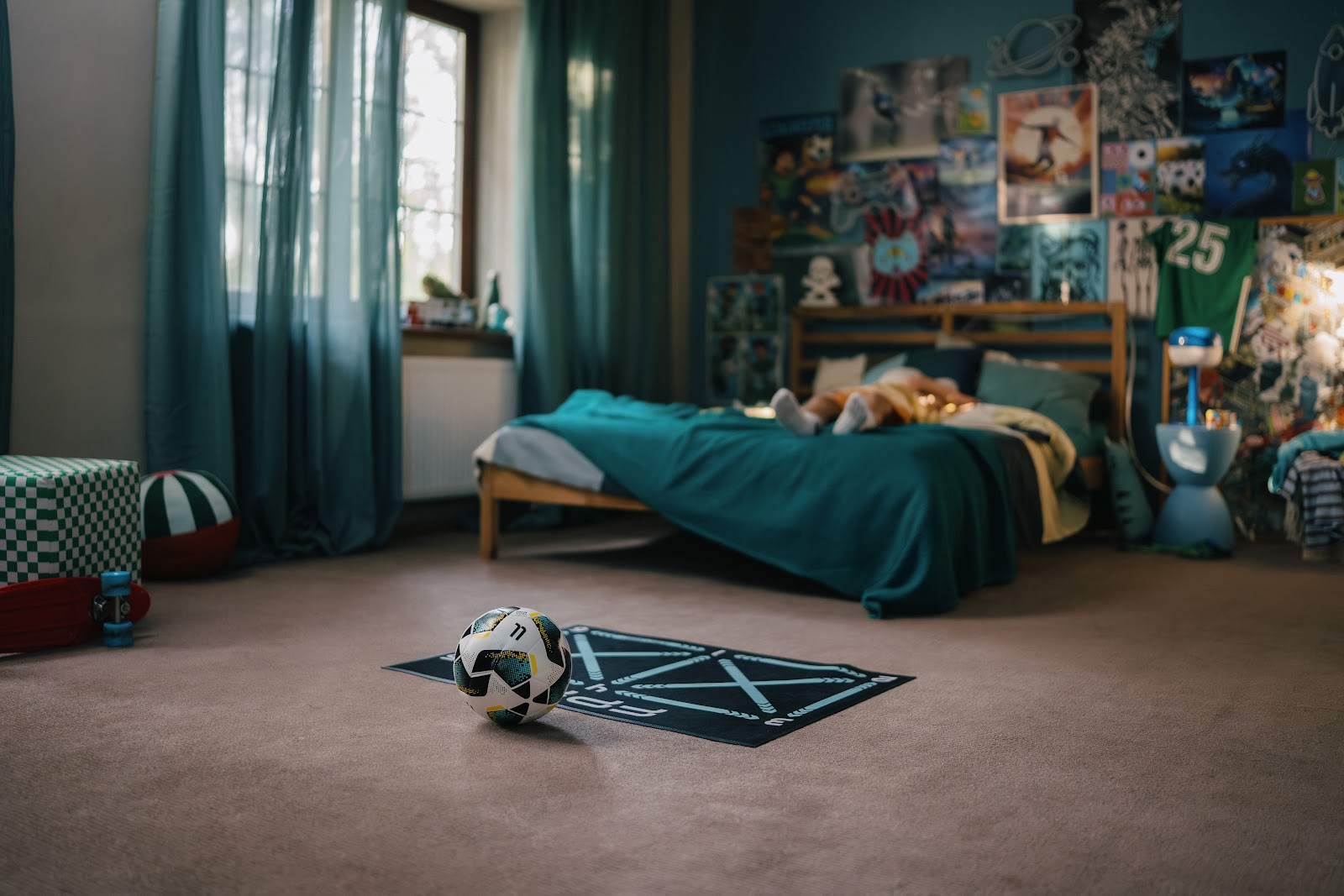
Messi touched a ball 10,000 times a day as a child. Not at training. At home. In his bedroom. On the street. While everyone else waited for their next session.
The difference between the player your child is now and the player they could become is not talent. It is not genetics. It is not which club they joined.
It is the number of deliberate repetitions they accumulate between now and the age of 16 - when the brain's window for motor skill development begins to close.
Closing the Technical Gap
Between ages 6 and 12, the brain learns technical patterns faster than at any other stage. Using a structured approach ensures those movements become automatic. Movements learned later require more time and effort - this is why every serious academy focuses heavily on individual technique at young ages.
The question isn't if your child can improve later.
It's how much easier it is if they start now.
The Three Reasons UK Parents Choose FPRO
We hear from thousands of families across the UK every year. The reasons they first bought FPRO are almost always the same three.
A miscontrolled ball in a key moment. Confidence on the ball is a skill - not a personality trait. It's built through repetition, and most parents who buy FPRO tell us this was the moment they knew something needed to change.
FPRO gives you a structured system your child follows alone. They open the app, follow the session, hit the mat. 15 minutes. No parent involvement required - which is, consistently, why families keep using it past the first month.
Not every day is a training day. Not every evening allows for outdoor practice. FPRO is designed for individual training at home - in the hallway, the living room, the garden. Whenever the moment is right, the session is ready.


A Simple Way to Close the Gap
Not random drills. Not YouTube videos. Consistent, repeatable ball work your child follows independently - with clear progression built in.

Mat + App Subscription included.
- The mat guides movement and positioning
- 200+ structured, progressive drills
- Metric tracking for XP and Levels
- Free grip socks included · Ages 6-16
- Works indoors in any weather
- 30-day money-back guarantee
What Actually Changes
Improvements aren't overnight - but they are noticeable. A cleaner first touch, better decisions under pressure, and increased confidence in real game situations.
- That's when coaches start noticing.
- That's when playing time increases.
- That's when your child's confidence on the ball becomes visible - to everyone, not just you.

Every session tracked. Every improvement measured.

"Ball mastery is everything. If you can control the ball, you control the game. This is what I want every young player to learn."
Marcelo · Real Madrid Legend · FPRO Global Ambassador"My son does 20 minutes a day without me asking. I haven't had to mention it once in three months."
- Parent of 10-year-old, Leeds